Advantages of FPL Pallets
Why are hundreds of manufacturers switching from wood to FPL composite production pallets? Here are the measurable differences.
Superior Wear Resistance
3–4× higher abrasion resistance than wooden pallets, depending on concrete mix fraction.
2000+ Production Cycles
A single pallet serves more than 2000 cycles, dramatically cutting replacement costs.
Faster Production
Dense, uni-directional composite transmits vibration evenly for 10–15% faster cycles.
Moisture & Heat Resistant
Fully sealed surface; no moisture absorption or warping in steam and drying chambers.
Maximum Rigidity
Wood-composite core with 11,000 kgf/cm² elasticity for a flat, vibration-true surface.
Maintenance-Free
No drying, sanding or upkeep like wooden pallets — saving time and labour.
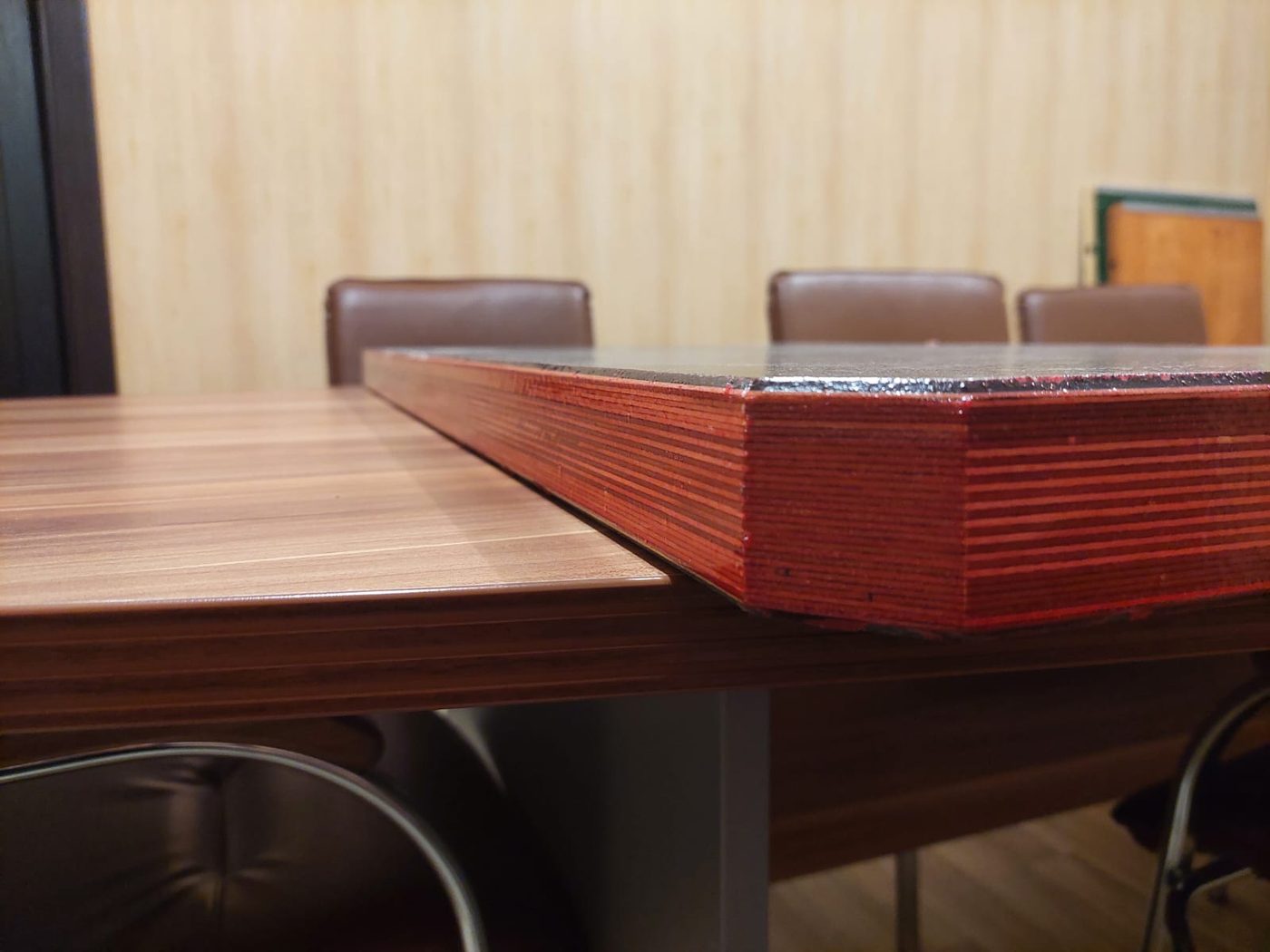
3–4× longer life than wood
The dense composite structure and sealed surface minimise abrasion even in constant contact with concrete. This lowers replacement frequency and noticeably reduces your annual pallet cost.
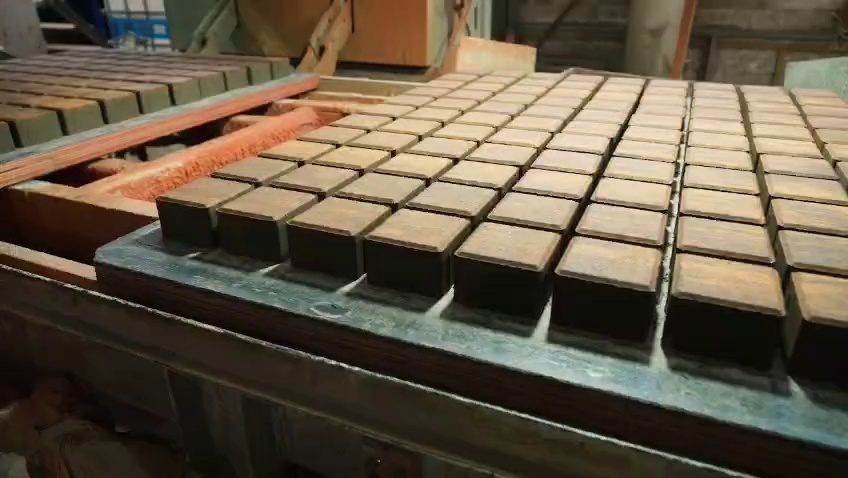
10–15% faster vibration cycles
The uni-directional, dense composite transmits vibration evenly across the pallet surface, allowing faster and more homogeneous concrete compaction — shorter vibration time, less equipment wear and lower concrete consumption.
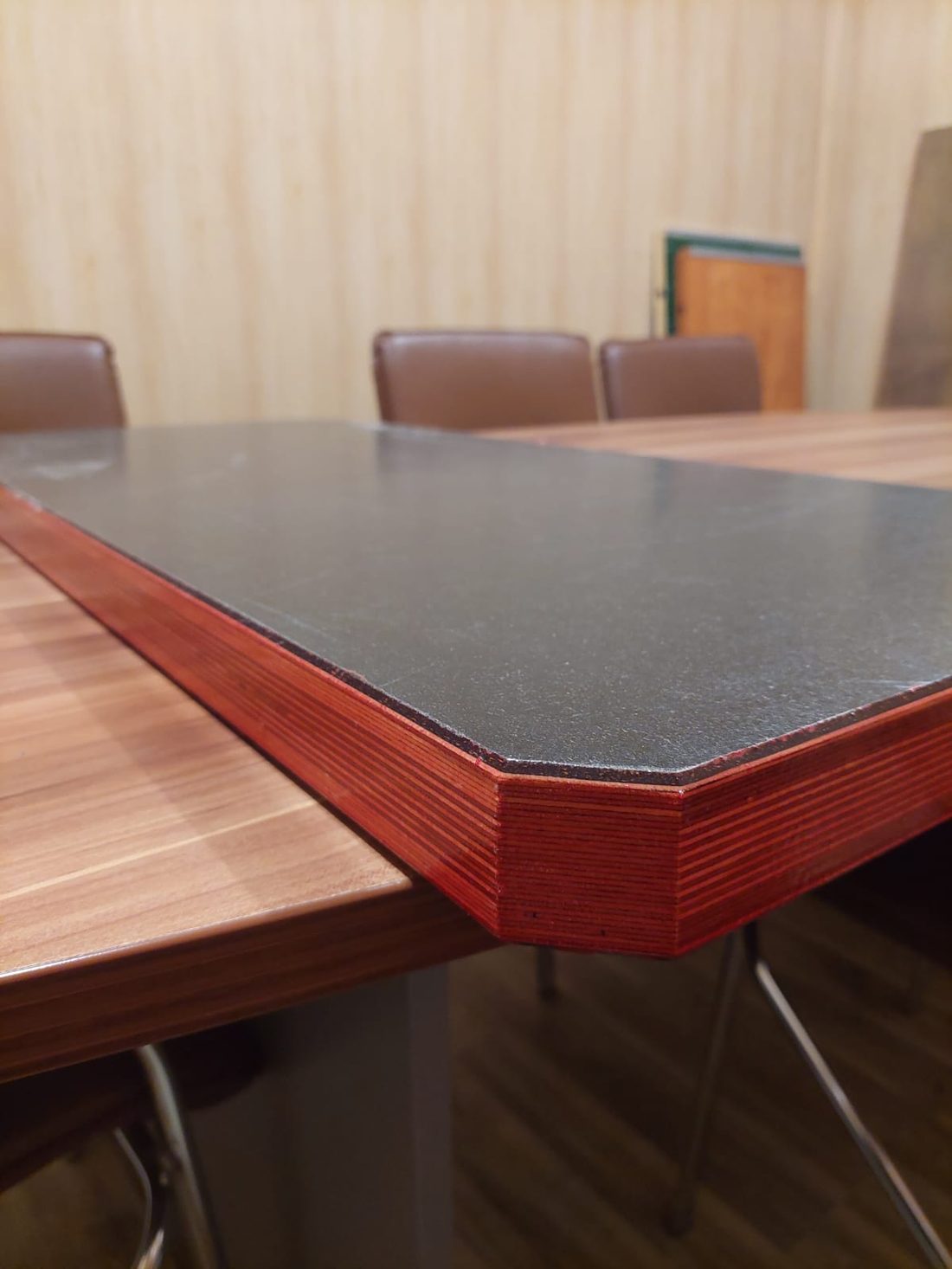
No warping or shape distortion
Wooden pallets warp into a 'propeller' shape over time, causing surface defects. FPL pallets absorb no moisture, stay flat and deliver the same flawless surface in every cycle.
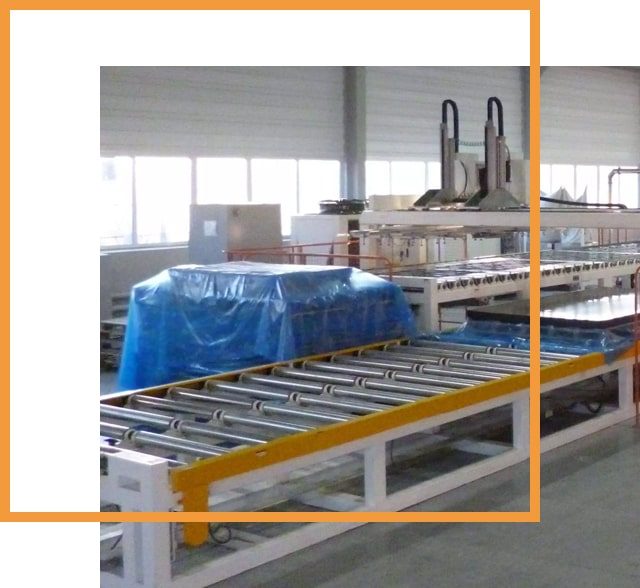
Resistant to moisture, heat and chemicals
No moisture absorption or swelling in steam-curing and hot drying chambers. Chemical additives do not adhere; easily cleaned with biological and mineral release agents. No maintenance, drying or sanding required.
Take your production to the next level
Request a free quote and sample for FPL composite production pallets. We respond within 24 hours.